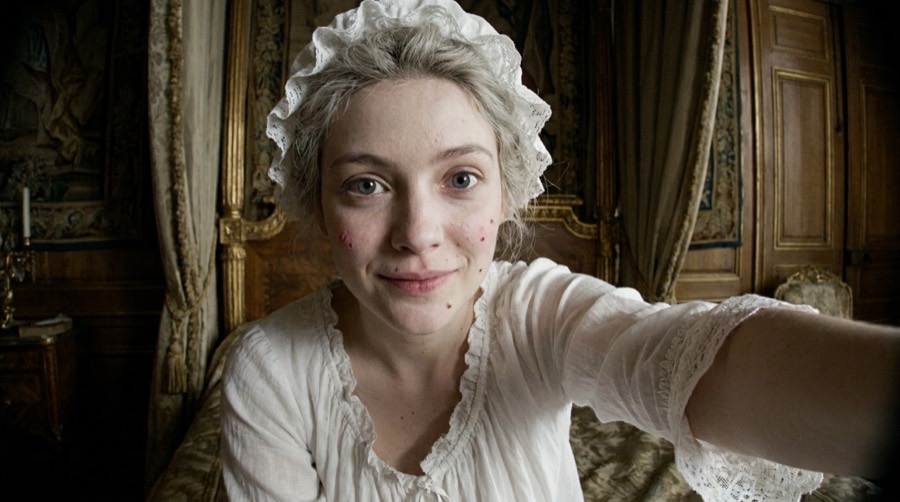
The step-by-step method behind the Marie Antoinette vlogs: one face, one voice, one queen who walks around Versailles with her phone and tells you about her day. Every prompt, every reference and every mistake I made, so you can build your own historical character from zero.
She doesn't narrate her biography. She films her day: getting dressed in front of forty courtiers, a bath on wheels, a secret village with real cows, the night she ran. The history is true; the phone is the only thing that isn't.
34 pages, twelve chapters in the order you'll actually work, plus an appendix of templates. Written for complete beginners, and it works for any real person whose daily life was strange and well documented.
The format in one line, why it holds people to the last second, and the three promises every episode keeps.
Routines, myths she can correct, ideas ranked by views per day, a fact-check table and the five-scene shape.
The single reference image, face only with clothes in words, the wardrobe sheet and the smile that doesn't break.
The character sheet and voice line pasted into every scene, how she is funny, and her signatures.
Rotating rooms, angles and looks, describing the real room, and the people around her.
The hook in the first line, flowing lines instead of choppy ones, timing, and the words that cause trouble.
The fixed frame and the scene you write each time, a real scene in full, and the story behind every rule.
Seedance 2.5 on Higgsfield, the settings I use, why I skip drafts, and staying family-friendly.
Contact sheets at two frames per second, transcript against script, and when to cut or regenerate.
Cut lists, sound and loudness, subtitles for Shorts, and why long episodes have no text at all.
Titles with a consequence, the selfie thumbnail that gets clicks, and comments as your next episodes.
Credits per take and per episode from real Shorts and a nine-minute episode, plus your first week.
The video model forgets everything between takes, so each prompt carries the whole character. The frame never changes; for each new scene you only write where she is and what happens, second by second.
9:16, a raw phone selfie from 1785, one unbroken take, the phone stays out of the picture; her face from the reference, her personality, voice and humour, word for word…White high-necked linen nightgown, small lace nightcap, hair a little messy, no make-up.The Queen's bedchamber, early morning. Two maids push in a copper bath on small wheels…4–9 s: she swings the lens round to her own face, delighted: "It has wheels. So it comes to me."…Objects never float or turn into other objects. The whole shot stays in this one room. She is always in motion…Real clips from the Marie Shorts, untouched. Tap Sound to hear her. Each Short is five scenes of about thirty seconds, one take each.
The guide starts from zero and explains every tool in plain English.
Start a channel built around a character instead of yourself, on YouTube, TikTok or Instagram.
Turn the stories you already know into short vlogs people watch to the end.
Never opened an AI video tool? Chapter I starts with which account to make and what to click.
“Bonjour, my hungry little subjects.” One guide, one price. Download it, follow the first-week plan, and post your first episode within seven days.
No. The guide is written for people who have never made an AI video. Every step says what to open, what to paste and what to check.
Yes. Marie is the example all the way through, but the method works for any real person with a well-documented daily life.
An image model for her face reference, Seedance 2.5 on Higgsfield for the scenes (face, voice, sound and movement in one take) and any video editor. Chapter 12 shows the real credit costs before you spend anything.
Both. Vertical Shorts with subtitles, and longer 16:9 episodes told as one story.
You get a download link for the PDF straight away.